

Deploy Shopify POS across a network of stores without disrupting business operations
A staple of men’s fashion, the SERGE BLANCO brand has remained true to the values it promotes: generosity, team spirit, respect, solidarity, and authenticity. The iconic logo—the gold-embroidered polo shirt featuring the number 15—has always been at the heart of the brand’s history.
SERGE BLANCO has managed to evolve with the times, reinvent himself, and push boundaries without losing the essence that made him famous.
Today, SERGE BLANCO designs, manufactures, markets, and develops the brand in France and internationally. It relies on 40 SERGE BLANCO stores, more than 300 multi-brand stores, and 400 leather goods and shoe retailers.
Key Figures
- About 40 stores, both company-owned and franchised
- 2 pilot stores to test the concept under real-world conditions
- 1 unified point-of-sale platform: Shopify POS Pro
- Real-time sales tracking, directly from the register



The Challenge
In-store sales were still running on proprietary point-of-sale software that was outdated and difficult to upgrade. The goal was clear: to migrate the entire network to Shopify POS Pro and have the operational foundation in place before the summer sales. All without interrupting in-store sales.
Changing registers in a retail network isn’t just a matter of technology.
You had to:
- Connect the cash register to inventory and the existing ERP system to avoid having to re-enter data on the sales floor,
- distinguish between company-owned stores and franchise stores in the data streams,
- provide regional directors and managers with clear, day-to-day sales tracking,
- Migrate customer and order history without any data loss.
And do it quickly, within a tight schedule.
Our Approach
We started with two pilot stores. The idea was to test the setup, workflows, and sales processes under real-world conditions before rolling it out to the rest of the network.
Specifically, we have:
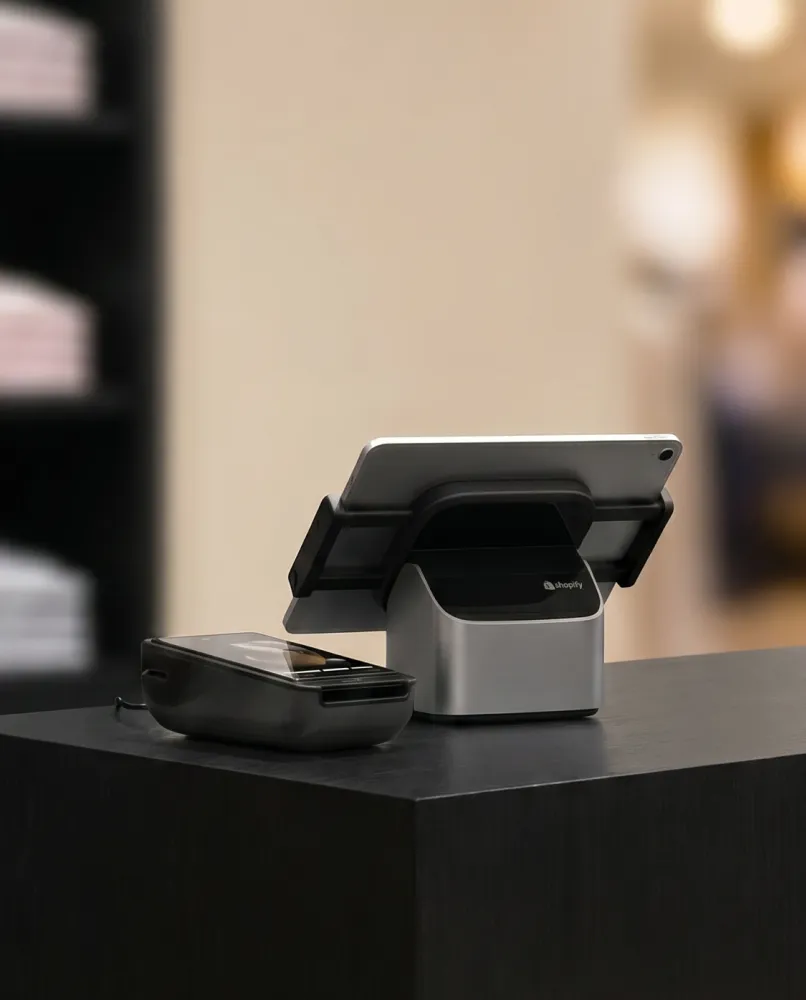
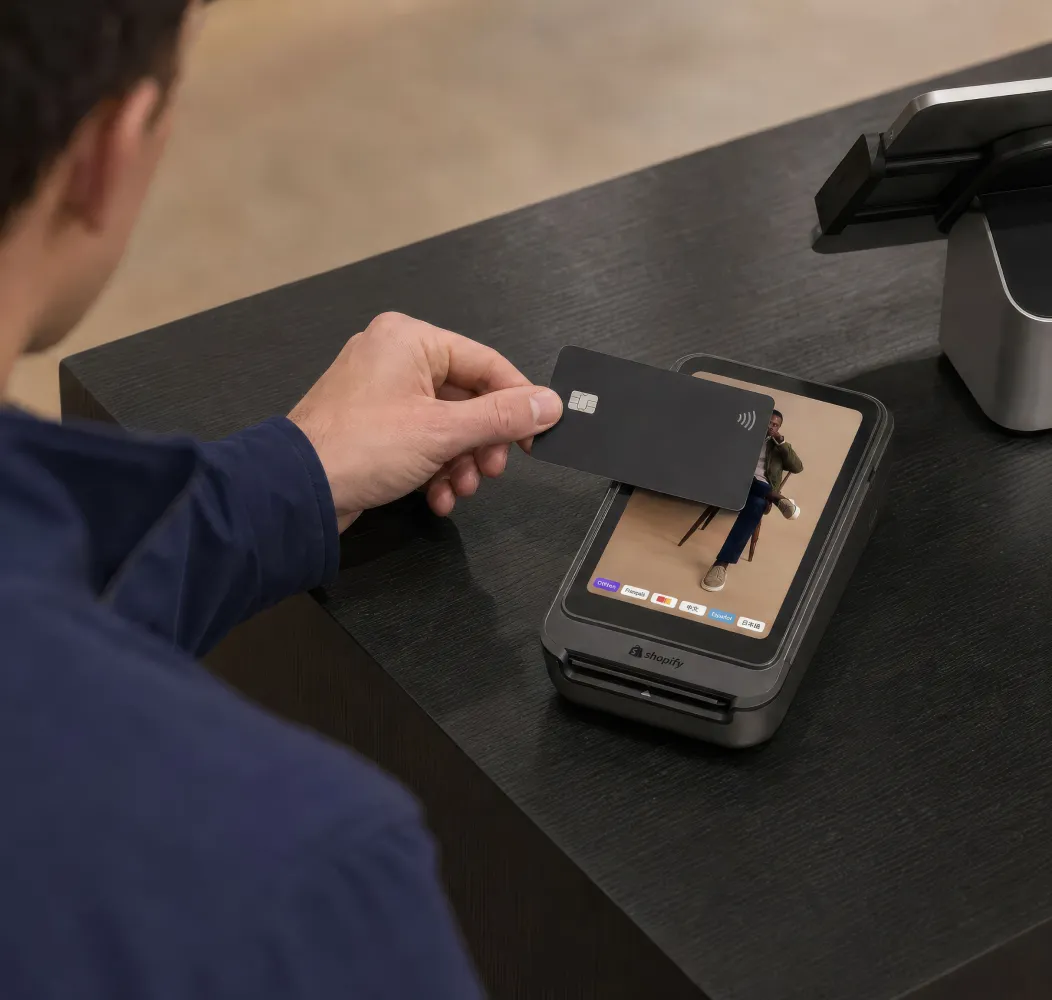
- Configured Shopify POS Pro (roles, permissions, checkout flows) and set up the terminals,
- Automated the flow of delivery slips between the ERP and Shopify so that store inventory updates automatically,
- Set up a filter to apply the feeds only to the relevant stores,
- Integrated real-time sales tracking, accessible directly from the register,
- Managed the migration of customer and order data.
Installation and training took place on-site at the store, and documentation was provided to the staff.
Objective: To enable Serge Blanco to roll out the following stores on his own.
Points to Watch For
An honest POS project also means knowing where the standard tool ends.
Several native limitations of Shopify were identified early on and then addressed through documented workarounds: inventory segregation between franchises and company-owned stores, point-of-sale pricing management, and order routing rules.
Nothing major, but these are issues we should anticipate rather than just deal with as they arise.
The results?
- A pilot network is up and running on Shopify POS Pro, ready for rollout to the remaining stores
- Store inventory is automatically updated from the ERP system, without the need for re-entry
- Real-time sales tracking for regional directors and managers, directly on the terminal
- Click-and-Collect is enabled natively, without any specific development required
- Trained and well-informed teams; clients can manage on their own going forward
Want to talk about it?
Do you manage a network of stores and are you considering Shopify POS? Let’s talk about it.
Latest articles
Visit the blog
ChatGPT Ads on Shopify and HubSpot: What This Means for E-commerce Businesses and Marketing Teams in France
02/10/2026
Fine-tuning LLMs in the Enterprise: Better Than a Frontier Model?
28/09/2026

OroMomentum: AI for B2B efficiency
22/09/2026

AI: The 5 Top Stories of Summer 2026
17/09/2026

Content management on Magento: how to give marketing teams back control with Hyvä CMS
17/08/2026