4 August 2026
What is an e‑commerce platform?
 An e-commerce platform is a comprehensive solution for selling products or services online to individuals or businesses. E-commerce platforms offer highly advanced back-office features, including search engine optimization, marketing, merchandising, and personalized experiences.
Definition
An e-commerce platform is a web platform that allows a merchant to sell products or services online. An e-commerce site features a product catalog and is equipped with a secure payment system. This allows customers to make purchases at any time and from anywhere.
There are three types of e-commerce sites:
- B2C (Business-to-Consumer) e-commerce sites where companies sell to individual consumers,
- B2B (Business-to-Business) or BtoB e-commerce sites where companies sell to other companies,
- C2C (Consumer-to-Consumer) online marketplaces where individuals buy and sell items with other individuals.
A comprehensive e-commerce platform does more than just offer products with online payment options. In the back office, the e-merchant can manage:
- the logistics of its products (inventory management, shipments, shipment tracking),
- marketing (SEO, upselling, cross-selling, abandoned cart follow-ups, marketing automation, A/B testing for email marketing, other integrated sales channels, chatbots, etc.).
A marketplace, on the other hand, refers to any platform that connects buyers and sellers online. A marketplace provides merchants with an established, targeted audience in exchange for a commission on sales. Here are a few examples of well-known marketplaces: Amazon, La Redoute, Cdiscount...
Key Features of an E-commerce Platform
- A product management solution
Powered by a PIM, e-commerce platforms enable product categorization and the definition of dynamic filters, such as sorting by size or color, or displaying products in ascending order of price… Not to mention product descriptions.
- A flexible content management system
A CMS (Content Management System) integrated into your e-commerce platform will allow you to easily create new content pages without needing a developer. A page builder typically lets you drag and drop elements (text blocks, images, videos, buttons, spacing, etc.) onto your new page.
- An order management system
An order management system handles order tracking, interfaces with the delivery management system, and manages email and/or SMS notifications to customers.
- Data Security
An e-commerce site must protect its customers’ data from leaks and data breaches. It must have a system in place to protect against fraud and DDoS (Distributed Denial of Service) attacks.
- Personalizing the Customer Experience
What sets one e-commerce site apart from another is, more often than not, the user experience rather than the product. The most successful e-commerce platforms offer the ability to personalize the user experience with tailored product and marketing content.
- Statistics
An e-commerce platform should allow users to view key statistics: sales by date, product categories, products, etc., visits, conversion rates, cart abandonment rates, etc.
- An inventory management system
Inventory management must be extremely reliable. The system must be able to track inventory in real time—not only in the warehouse but also in each store within the distribution network—so that it can offer click-and-collect or home delivery.
- Online Payment
An e-commerce platform must accept various payment methods: credit cards, PayPal, instant bank transfers, checks, and, in some cases, installment payments. To do this, you’ll need to choose a payment service provider (PSP) such as Worldline, Payplug, Stripe, etc. Transactions must, of course, be secure and comply with PCI DSS security standards.
- A returns management system
The returns management system allows you to process returns, approve or reject requests, send return authorization forms, and issue refunds once the return has been processed.
- Pre-designed layout
Most e-commerce platforms offer a catalog of ready-to-use themes (templates), which are usually categorized by industry. The vast majority feature responsive design.
- Up-selling and cross-selling
A system for upselling, cross-selling, or smart product recommendations (similar products) can increase the average order value as well as the conversion rate. Don’t miss out!
- Abandoned Cart Follow-Up
Abandoned cart recovery is essential for any e-commerce site. It helps increase the conversion rate and identify potential issues in the checkout process.
For brands:
Selling online is now essential for any brand that wants to grow, especially internationally. It’s a must for every brand!
For distributors, networks, and franchises:
With the growth of click-and-collect, retail chains—whether company-owned or franchised—need to offer their customers an online store so they can shop at their leisure from home and then pick up their purchases in-store.
For manufacturers and industrial companies:
B2B e-commerce in the industrial sector represents a real growth driver for many French SMEs (small and medium-sized enterprises) and mid-sized companies: access to new markets, new growth opportunities, a simplified sales process, and more.
What other solutions does your
e-commerce platform need to integrate with?
Your e-commerce solution should integrate with other solutions that make it easier for you to manage your online business:
- A CRM (Customer Relationship Management) solution to integrate your e-commerce customer data;
- An email marketing and marketing automation solution for sending promotional and automated emails to your customers;
- A product syndication solution that allows you to list your products on marketplaces and shopping engines;
- Google solutions and tools (Google Tag Manager, Google Analytics 4, etc.);
- Inventory Management System.
Request your personalized audit
Why choose DATASOLUTION to deploy your e-commerce platform?
At DATASOLUTION, we believe that every business deserves a customized e-commerce solution capable of meeting its specific needs and propelling its business toward new horizons. Whether you’re new to online commerce or a seasoned veteran, our e-commerce solutions are designed to support all your ambitions.
DATASOLUTION has been designing, developing, and upgrading e-commerce platforms for over 20 years. Our solutions provide you with the tools you need to optimize your processes, improve your customer experience, and maximize your sales.
Do you need help setting up your e-commerce platform? Let our experts help!
Related articles
Visit the blog
Content management on Magento: how to give marketing teams back control with Hyvä CMS
17/08/2026
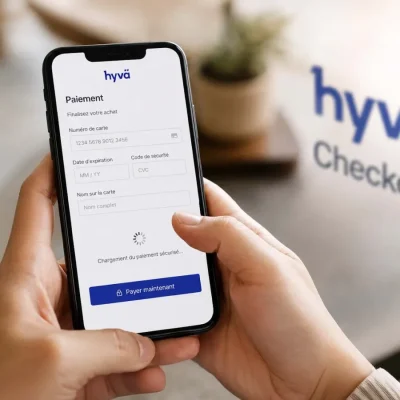
How Hyvä Checkout cuts load times and boosts conversions
11/08/2026

RAISE Summit Paris: 3 lessons on AI in the enterprise, from data to execution
23/07/2026
DATASOLUTION continues its external growth with the acquisition of Altimax
23/07/2026
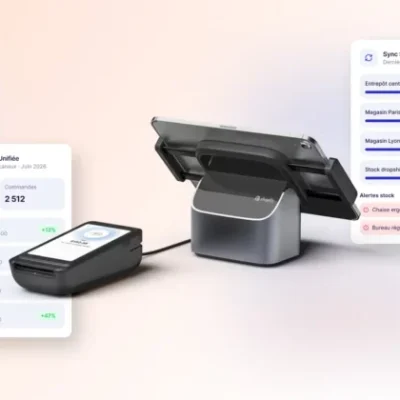
Shopify POS: Sync Your Brick-and-Mortar Stores and Your E-Commerce Site—Once and for All
17/07/2026