29 December 2022
NFTs: A New Opportunity for Brands?
 NFTs are used for a wide variety of purposes. Because of its uniqueness, a non-fungible token can have significant monetary value, just like a physical object. The buzz surrounding this innovation is driven primarily by digital art and collectibles. NFTs can take all sorts of forms: works of art, personalized avatars, branded products, houses, yachts… Initially used as collectibles, they now enable certain companies to develop their products in a different way. The four key characteristics of NFTs are transparency (you can find out everything about an NFT), immutability (NFTs cannot be copied), decentralization (no single entity controls transactions), and security (they are created using blockchain technology). You’ll see that these tokens can be a great opportunity for brands. Brands are increasingly focusing on digitizing their offerings to build loyalty or attract young consumers who are enthusiastic about new technologies.
Marketing Challenges
In 2024, NFTs will generate nearly $80 billion, according to experts. This economic boom has not gone unnoticed by brands, which have taken a keen interest in this revolutionary new trend. For the vast majority, they see NFTs as another original form of expression that needsto be integrated into their communications mix. This new way of interacting with consumers makes it possible to reach a younger audience that is more likely to engage with this type of medium than with others. Dynata, the world’s largest first-party data and insights platform, highlighted that 72% of men and 59% of women in Generation Z (under 25) say they are “very interested ” in NFTs.
Brands can therefore consider two ways to position themselves in the non-fungible token market:
- The creation of a brand-exclusive collection that will spark greater interest among consumers and make them want to own a piece of it to show their affiliation with the brand.
- Leveraging existing NFTs to drive brand activations.
The world of NFTs is quite complex, and brands looking to get started need to familiarize themselves with a number of rules that govern it. But above all, they must understand the purpose of this technology and the opportunities it presents. More and more consumers are taking an interest in NFTs and becoming experts in the field. Mistakes are therefore not an option, especially for large companies that have a lot to lose if their strategy isn’t sound.
In terms of marketing, there are many challenges. As with any marketing tool, brands must clearly define how they intend to use it and the goals they hope to achieve. Some aim to build their future customer base by offering NFTs that appeal to younger audiences. Others prefer to build loyalty among consumers who are already interested in the brand by offering tokens based on how frequently customers make purchases and their sense of connection to the products offered.
In 2022, CSR is one of the major challenges facing brands. “What does this have to do with NFTs and a CSR initiative?” you might ask. Some brands have decided to create their own digital artworks and put them up for sale. The proceeds are then donated to environmental advocacy groups or humanitarian organizations. These initiatives are part of a corporate social responsibility (CSR) strategy that many companies are adopting to set themselves apart from the competition.
In the vast majority of cases, these NFTs are primarily used to generate new sources of revenue. They make it possible to diversify and expand the range of existing products, thereby increasing revenue. Some brands even manage to release exclusive NFT collections that will earn them far more than their physical collections. As mentioned earlier,the uniqueness of NFTs makes their sales exclusive and highly sought-after. Some people are willing to spend several thousand euros to acquire them.
 Luxury brands are at the forefront :
If there’s one sector that’s far more prominent in the NFT space than others, it’s definitely the luxury sector. For the brands involved, this is an opportunity to stand out,offer an innovative customer experience, and reinforce that sense of scarcity that also fosters brand loyalty. Bulgari, Guerlain, Porsche, L’Oréal, Balmain, and Gucci: all these brands are seeking to appeal to a specific target audience with the release of their non-fungible token collections. Gucci launched augmented-reality sneakers aimed at younger consumers (under 25), while Porsche sought to build loyalty among older collectors by selling unique sketches of certain car models as NFTs.
Luxury brands have the advantage of having a very high perceived value from the outset. Consumers are willing to spend several thousand euros to ownexceptional products. The scarcity and uniqueness of these non-fungible tokens have amplified this perceived value. Owners of luxury brand NFTs feel even more privileged than others and do not hesitate to spend tens or even hundreds of thousands of euros to acquire them.
Over time, NFTs are becoming the new digital showcase for brick-and-mortar brands. Luxury companies have fully grasped this and are eagerly investing to create their own collections and set themselves apart in a meaningful way. Thanks to these tokens, brands are able to build communities similar to the prestigious “customer clubs” found in brick-and-mortar stores.
Luxury brands are taking it even further. Have you heard of the metaverse? It’s a virtual world where NFTs are rapidly gaining traction. Recognizing the importance of establishing a virtual presence, many of these brands are already active there. Louis Vuitton, for example, has created its own video game featuring NFTs that players can win.
Everything seems so perfect and so easy… Yet experts are still questioning the future of NFTs. There are many threats that could hinder the smooth development of this technology. Some believe it’s a revolution that will shape the centuries to come, while others call it nothing more than a speculative bubble that could burst at any moment.
So, is this just a passing fad or a real, long-term trend?
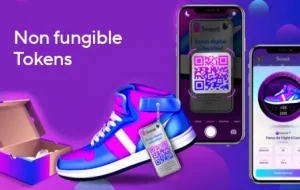 Threats looming over this new technology
At a time when the NFT space is primarily targeted by speculative traders, it seems risky for some companies to venture down this path. Today, we are still a long way from widespread consumer adoption of these blockchain-based tokens. If they fail to gain further traction, the fallout could be severe for brands that have invested in this technology.
Brands must also be wary of unauthorized NFTs. The emergence of these non-fungible tokens raises questions about copyright and counterfeiting. Some disputes have already arisen, and legal proceedings are underway. Nike has filed a lawsuit against StockX, which had marketed an NFT collection featuring the famous swoosh logo. The legal framework and regulations governing this technology are not always easy to understand and apply when resolving disputes. NFTs are volatile, and speculation plays a significant role in the market. Brands also run the risk of having their products pirated. Hermès’ “Kelly” bag was replicated and sold as an NFT without the brand’s authorization.
NFTs: What’s the final verdict?
As we’ve seen throughout this article, NFTs are definitely a hot opportunity right now. They allow brands to create rare and unique virtual items that appeal to their consumers. Brands have the opportunity to diversify their revenue streams and target the customers they really want to reach. Little by little, brands are establishing a presence in the metaverse, which experts say is poised to become the future home of all NFTs. However, it’s important not to overestimate the potential of this technology. If this speculative bubble bursts, it could turn into a nightmare for some brands. NFTs? Yes… but in “test and learn” mode!
Related articles
Visit the blog
ChatGPT Ads on Shopify and HubSpot: What This Means for E-commerce Businesses and Marketing Teams in France
02/10/2026
Fine-tuning LLMs in the Enterprise: Better Than a Frontier Model?
28/09/2026

OroMomentum: AI for B2B efficiency
22/09/2026

AI: The 5 Top Stories of Summer 2026
17/09/2026

Content management on Magento: how to give marketing teams back control with Hyvä CMS
17/08/2026