White Paper
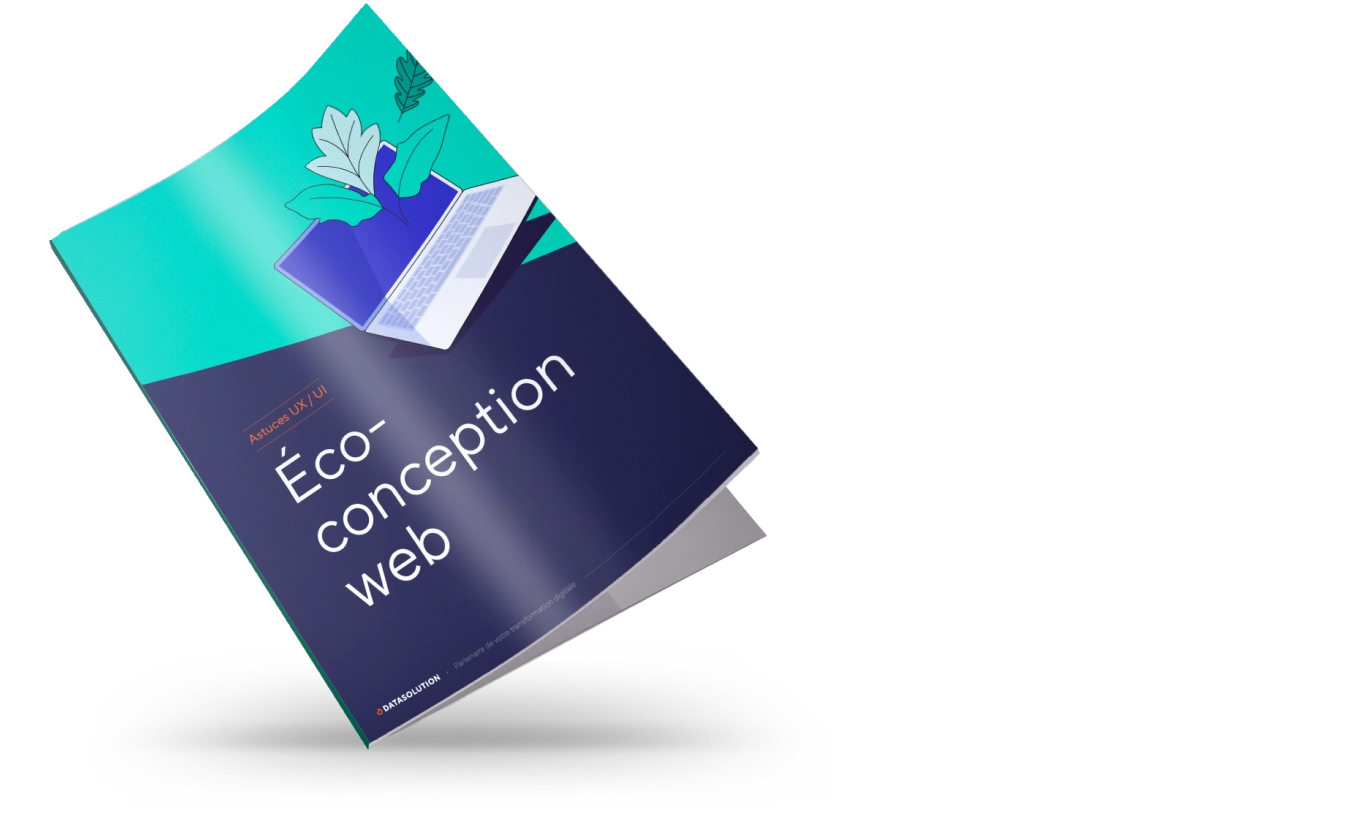
Eco-Design UX/UI
Discover how eco-design applied to UX/UI can help create lighter, more intuitive, and higher-performing interfaces.
This white paper explores best practices for optimizing the user experience while reducing the digital footprint of websites.
An essential guide to combining design and sustainability.
Why download this guide to UX/UI eco-design?
This white paper does more than just outline broad principles. It guides you step by step through a more sustainable design process, without ever compromising the quality of the user experience. You’ll discover how certain simple adjustments—to design, user flows, or components—can significantly reduce a website’s environmental impact while improving its efficiency.
Designed as a practical tool, this guide offers concrete, actionable tips, illustrated with common examples from everyday digital life. It is intended for designers, developers, project managers, and CSR managers who wish to launch or structure an eco-design initiative.
A responsible approach, without compromising on effectiveness
Eco-friendly UX/UI design isn’t about doing less—it’s about doing better. By focusing on functional simplicity, information hierarchy, and streamlined user flows, you improve accessibility, load times, and ultimately, your site’s overall performance. This white paper shows you how to make your interfaces more streamlined without sacrificing visual impact—and even while improving clarity, engagement, and conversion rates.
A Step Toward a Sustainable Digital Strategy
Beyond technical optimizations, this white paper encourages a holistic approach: design less to design better. By incorporating eco-design from the very beginning of the design phase, you commit your brand to a digital minimalism approach that aligns with user expectations and the values of a more responsible digital world. It’s also an opportunity to set yourself apart in a market that’s increasingly attentive to these issues.